The Complete Guide to User-Oriented Web Design: Increase Conversions and Engagement
Human-centered web design is critical in today's digital landscape. It focuses on understanding user needs and preferences. This methodology shapes every element of a website, from site structure to written material. By focusing on mobile-friendly design and utilizing analytical tools, developers can improve the overall user journey. The implications of these practices extend beyond mere usability. They can substantially influence visitor retention and conversion metrics. What strategies are most effective in achieving these outcomes? Exploring this question reveals essential insights to the forefront.
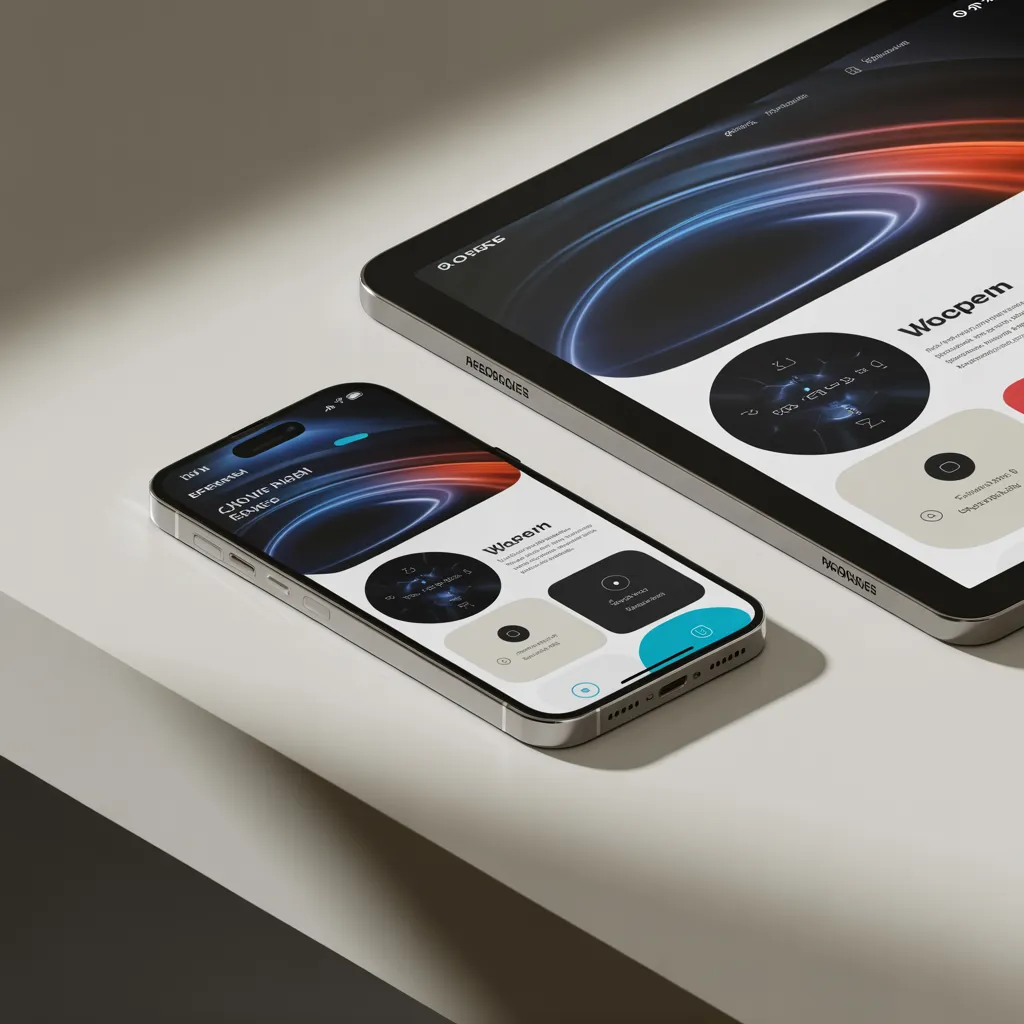
Understanding User Requirements for Successful Web Design
How are designers able to fully comprehend the needs of their target users? Creating effective web designs requires them to participate in detailed research and analysis. This requires utilizing a range of techniques including user interviews, surveys, and usability testing. By gathering qualitative and quantitative data, designers can identify pain points, preferences, and behaviors of their target audience.
Studying user personas assists in visualizing different user types and their specific requirements. Furthermore, researching competitors can provide insights into market expectations and standards. Design teams should additionally evaluate user engagement with current solutions to pinpoint opportunities for enhancement.
Including feedback loops throughout the design process is essential for improving outcomes. By emphasizing the needs of users, web designers can create websites that not only attract visitors but also encourage engagement and satisfaction. Ultimately, a thorough understanding of user needs lays the foundation for effective, user-focused web design.
How User Expectations Drive Intuitive Navigation and Layout
User needs considerably influence the creation of intuitive navigation and layout within web design. Recognizing these needs confirms that users can readily access information, facilitating a seamless browsing experience. Effective navigation is structured around users' mental models, which dictate how they expect to interact with a website. This harmony not only improves usability but also minimizes frustration, ultimately leading to higher engagement rates.
Layouts must prioritize readability and usability, adopting recognizable design frameworks that resonate with users. Components like navigation menus, interactive buttons, and action prompts ought to be thoughtfully positioned according to user habits and expectations. By conducting user research and usability testing, developers can pinpoint challenges and user expectations, allowing them to create layouts that cater to specific user journeys. Ultimately, a user-centric approach to navigation and layout fosters a more intuitive interface, proving indispensable for maintaining audience interest and generating meaningful results.
Creating Engaging Content That Meets User Expectations
Developing captivating content requires a deep understanding of user expectations and preferences. To effectively capture the target audience's attention, content developers must analyze user habits, interests, and challenges. This knowledge enables them jump in to craft messages that connect with the intended audience, enhancing relevance and appeal.
Utilizing straightforward, precise wording and compelling visuals can greatly boost user involvement. Moreover, using story-driven approaches serves to establish meaningful bonds, making the content more memorable. It is critical to maintain a consistent tone that reflects the brand image while meeting reader expectations.
Furthermore, incorporating dynamic components, like interactive polls and quizzes, encourages meaningful interaction. Keeping content up to date confirms it remains fresh and relevant, addressing the growing needs of readers. Through prioritizing relevance and quality, businesses can cultivate trust and loyalty, thereby generating higher engagement and conversions.
User-Focused Mobile Optimization for Accessibility and Usability
Which aspects are essential for effective mobile optimization which focuses on user accessibility and functionality? First, adaptive design confirms web pages transition smoothly across different screen dimensions, enhancing user experience. Moreover, intuitive navigation is vital; straightforward menus and accessible buttons facilitate user interactions. Focusing on quick load times is necessary, as mobile visitors anticipate swift access to data.
Moreover, incorporating user-friendly features, such as speech-enabled features and adjustable font sizes, caters to individuals with disabilities, reaching a wider audience. Applying high-contrast colors and legible typography boosts legibility, most notably in bright outdoor conditions.
Including touch-friendly design elements minimizes frustration, allowing users to engage effortlessly with content. Finally, testing across multiple devices and platforms delivers a uniform experience. By focusing on these factors, businesses can develop mobile solutions that not only satisfy user requirements but also enhance overall engagement and conversion rates.
Methods to Track User Engagement and Conversion Success
Proper mobile optimization establishes the groundwork for assessing user engagement and conversion performance. Numerous tools empower web designers and marketers to evaluate user behavior and measure essential metrics. Google Analytics continues to be a fundamental resource, providing data on user demographics, session duration, and bounce rates, assisting in pinpointing areas that need improvement. Heatmap solutions such as Hotjar and Crazy Egg provide visual representations of user interactions, enabling designers to observe where users click, scroll, and exit.
A/B testing solutions, such as Optimizely and VWO, enable testing of multiple design variations to establish which options deliver higher conversions. Moreover, customer feedback solutions like SurveyMonkey and Typeform gather qualitative data directly from users, providing meaningful perspectives on their interactions. By employing these solutions, companies can build a stronger user-focused experience that not only boosts engagement but also drives conversion rates, ultimately leading to improved overall business outcomes.
Frequently Asked Questions
How Do I Effectively Obtain Feedback from Users?
To gather user feedback effectively, one should employ usability testing, surveys, and interviews. Processing data via analytics tools and fostering open dialogue fosters a deeper understanding of user needs and preferences, ultimately advancing product development.
What Are Typical Pitfalls in User-Centric Design?
Common mistakes in user-centric design include overlooking user research, overcomplicating navigation, failing to address accessibility, failing to optimize for mobile, and ignoring feedback-driven iteration. These errors can damage user experience and lead to reduced engagement.
How Frequently Should I Refresh My Website Design?
A site design should be refreshed every 1 to 3 years, based on industry trends, user feedback, and technological advancements. Regular updates ensure ongoing relevance, elevate overall user experience, and sustain meaningful engagement with your target audience.
What Impact Does Color Psychology Have on Design?
Color theory significantly impacts design by stirring feelings and altering viewer perceptions. Design professionals employ color strategically to elevate the experience for users, influence how users behave, and create a recognizable brand presence, directly affecting user engagement and conversions throughout different digital channels.
How Can Aesthetics and Functionality Be Balanced
Achieving harmony between aesthetics and functionality requires careful consideration of user experience. Designers should prioritize intuitive navigation and accessibility while integrating visually engaging elements, guaranteeing that aesthetic quality supports usability rather than detracting from the overall effectiveness of the design.